Every fall, something strange happens: we all collectively sprint outside with rakes like we’re competing in a neighborhood “Most Responsible Adult” competition. Leaves fall, and suddenly we’re acting like clearing them instantly is some kind of moral obligation.
And listen… I get it.
I grew up with the same rulebook: leaves on the ground = “clean it up.” You just did it.
But once I actually learned what those leaves do – what lives inside them, what relies on them, and what happens when we remove them too soon – I had one of those moments where you just sit there thinking, “Wow. I’ve been unknowingly ruining tiny ecosystems my whole life.”
So let’s talk about it.
Leaf Litter Isn’t “Yard Waste.” It’s Wildlife Habitat
When we rake up every leaf, we may be tidying a yard, but we’re also removing insulation, shelter, and overwintering sites that countless species literally depend on.
According to the Xerces Society (which is basically the authority on invertebrates and pollinators), leaf litter is critical winter habitat for a whole roster of tiny-but-essential creatures. We’re talking:
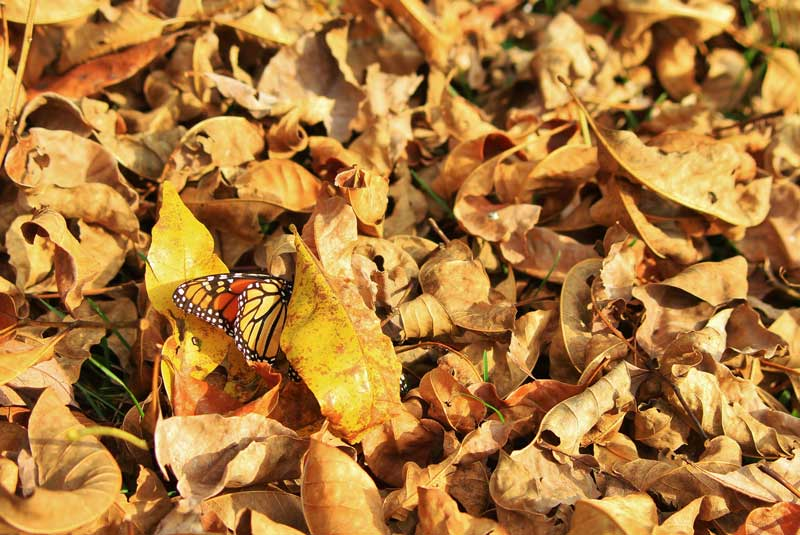
butterflies & moths in chrysalis
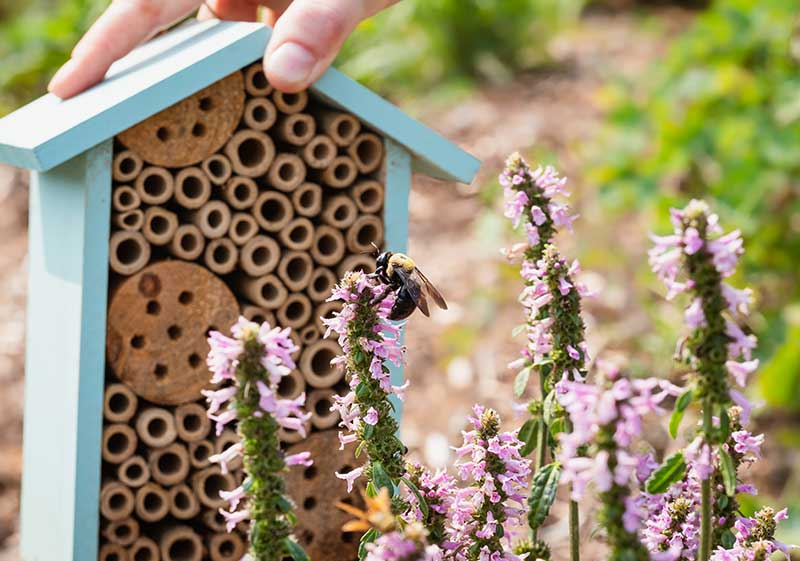
overwintering native bees
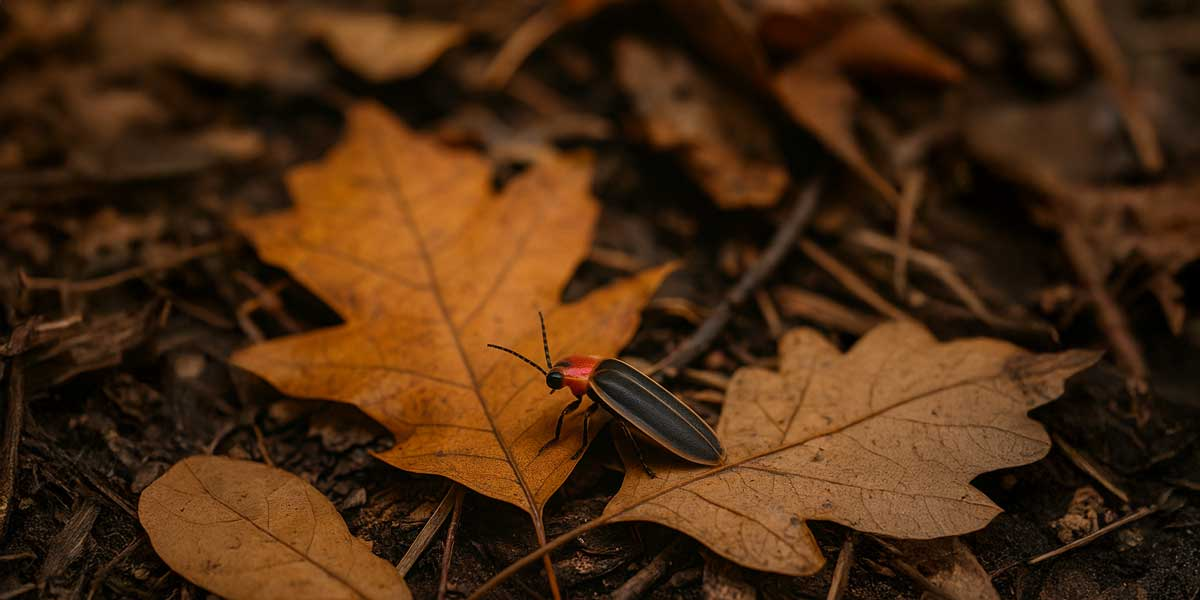
lightning bug larvae
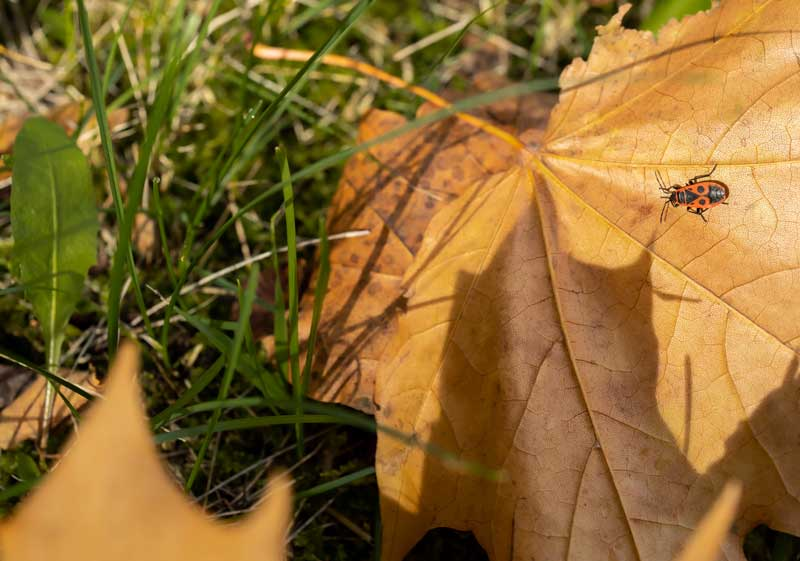
beetles
spiders
all the small, overlooked species holding your backyard ecosystem together
Fireflies Especially Need Leaf Litter
The National Wildlife Federation explains that fireflies spend most of their life cycle (up to two years) living as larvae on the ground, relying on moist leaf cover for protection and survival.
So when you remove all your leaves, you’re basically wiping out next summer’s fireflies before they ever get a chance.
And if you’ve noticed fewer fireflies over the years (I have)… this is one of the reasons why.
Leaves Actually HELP Your Yard
Here’s the irony: the thing we’re all frantically removing every fall is the exact thing that keeps yards healthier.
The U.S. Fish & Wildlife Service points out that leaf litter:
naturally fertilizes soil
protects roots from winter temperature swings
boosts soil health and biodiversity
increases moisture retention
reduces the need for commercial fertilizer
We are literally bagging up free, organic soil nutrients…and then buying mulch or fertilizer later.
So What Can You Do (Without Letting Your Yard Become a Woodland Jungle)?
Nobody needs to live in a full Narnia-forest situation (unless you want to, in which case yes, go off).
Here are realistic, simple, low-effort changes that still make an impact:
Leave some leaves in garden beds.
Create a small “wild corner.” It doesn’t have to be the whole yard. Even a 3×3 area helps wildlife.
Rake lightly, not aggressively. You don’t need to scrape the earth bare.
Mulch leaves with your mower. This keeps nutrients in your yard while still looking tidy.
Avoid leaf blowers when possible. They blast away habitat and damage soil structure.
These small choices turn your yard from “sterile outdoor carpet” into an actual ecosystem that supports life.
Being a Good Steward Isn’t Always About Doing More
This is one of those rare situations where “helping” actually looks like doing less. Less raking. Less obsessing. Less trying to force nature to behave like a manicured golf course.
Leaving some leaf cover is a tiny action that benefits everything from soil microbes… to bees… to fireflies… to songbirds who rely on the insects overwintering below.
If we all made even one little leaf-friendly area in our yards, imagine the ripple effect. Imagine the fireflies that return. Imagine the butterflies we save without even realizing it.
Honestly, there’s something peaceful about letting your yard look a little more natural. A little more alive. A little more like the world is supposed to look before we tidy it to death.