
Every year, monarch butterflies make one of the most ridiculous, awe-inspiring migrations in the natural world: thousands of miles, multiple generations, and a journey that somehow works even though no single monarch makes it from start to finish.
Sadly, their population has been declining for years due to habitat loss, pesticides, and the fact that the one plant their caterpillars must have (milkweed) has been basically wiped from huge areas of the country.
But there’s good news! Helping monarchs is surprisingly doable, even if you don’t have a huge yard or a green thumb. It’s more about making small choices that create tiny pockets of habitat they desperately need. Let’s walk through some simple things you can do that genuinely make a difference.
1. Plant (Native!) Milkweed
Monarch caterpillars only eat milkweed – nothing else. They’re obsessed with it. They’d Yelp-review it 5 stars if they could. So plant milkweed. Just remember:
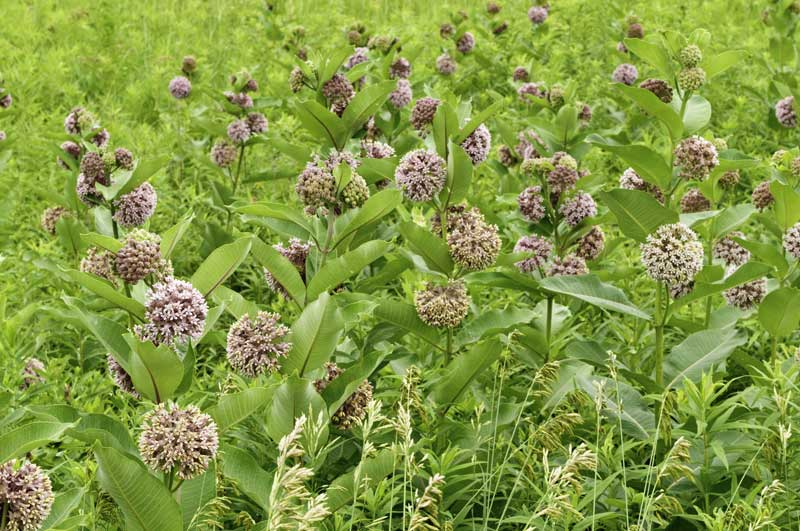
 You need to plant the milkweed that’s native to your region. Not all milkweed is the same, and not all of it supports monarchs equally.
Avoid tropical milkweed (Asclepias curassavica) – it can cause disease buildup and disrupt migration in many regions of the U.S.
Milkweed Seeds Need Winter Cold to Sprout
This is one of the biggest things people don’t know:
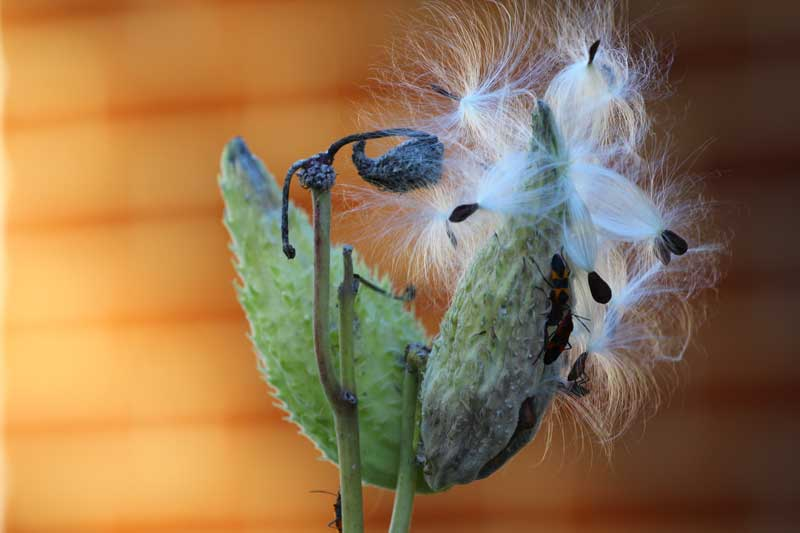
Milkweed seeds MUST overwinter outdoors, meaning they need a period of natural cold (called stratification) to germinate properly.
If you plant them in early fall or winter and just let them be, nature does the work for you.
If you plant them in spring without stratifying them first, there’s a good chance they’ll just sit there like,
“…ma’am?”
and never sprout.
So plant them late fall and they come up beautifully in spring.
Here’s a Quick List of Native Milkweed Species by Region
If you’re not sure which species belong in their exact location, Xerces Society has a state-by-state pollinator plant list – check them out.
Northeast + Mid-Atlantic
- Common Milkweed (Asclepias syriaca)
- Butterfly Weed (A. tuberosa)
- Swamp Milkweed (A. incarnata)
- Poke Milkweed (A. exaltata)
Southeast
- Swamp Milkweed (A. incarnata)
- Butterfly Weed (A. tuberosa)
- Aquatic Milkweed (A. perennis)
- White Milkweed (A. variegata)
Midwest
- Common Milkweed (A. syriaca)
- Swamp Milkweed (A. incarnata)
- Butterfly Weed (A. tuberosa)
- Prairie Milkweed (A. sullivantii)
South Central (Texas, Oklahoma, etc.)
- Green Milkweed (A. viridis)
- Antelope Horn Milkweed (A. asperula)
- Swamp Milkweed (A. incarnata)
- Zizotes Milkweed (A. oenotheroides)
Southwest + Desert Regions
- Desert Milkweed (A. erosa)
- Rush Milkweed (A. subulata)
- Spider Milkweed (A. asperula, variety asperula)
West Coast + Pacific Northwest
- Showy Milkweed (A. speciosa)
- Narrowleaf Milkweed (A. fascicularis)
- Heartleaf Milkweed (A. cordifolia)
2. Plant Nectar Flowers, Too (Monarchs Need Food, Not Just Nurseries)
Milkweed = babies. Nectar flowers = adults.
Monarchs need both. Think of milkweed as “the daycare” and nectar flowers as “the Starbucks they need to survive the commute.”
Choose native flowering plants that bloom at different times of year so there’s always something available. Great choices include:
- goldenrod
- asters
- coneflower
- joe-pye weed
- black-eyed susan
- liatris
- bee balm
3. Skip the Pesticides (Even the "Harmless" Ones)
Pollinator groups like Xerces and Pollinator Partnership say the same thing:
Even organic or “bee-friendly” pesticides can harm butterflies, caterpillars, and larvae. They’re especially vulnerable because they eat plant tissue directly.
If you can avoid pesticides entirely, do. If you can’t, use the absolute minimum and never spray near milkweed.
4. Leave Part of Your Yard a Little "Wild"
Leaving a corner of your yard unmowed or full of native plants creates a tiny habitat where butterflies, bees, and other beneficial insects can do their thing without human micromanagement.
This doesn’t have to be big. Even a 5×5 patch matters.
5. Join Citizen Science Projects (Hear Me Out!)
If you’re a data nerd or just love feeling helpful, there are groups that track monarch migration and population health:
- Journey North
- Monarch Watch
- iNaturalist
- Xerces Society community science programs
You basically watch butterflies, mark down what you see, and scientists use those observations to understand population trends.
Yes, you get to help by looking at butterflies. You’re welcome.
Being a Good Steward Isn't Complicated
Monarchs have a lot working against them. Habitat loss, climate change, pesticides, and changes in migration patterns. But the beautiful part is that ordinary people can create real impact just by planting a few native plants and choosing not to wage war on their yards.
You don’t need a huge garden.
You don’t need to be a botanist.
You don’t need 50 acres.
You just need to plant what belongs where you live, leave a little room for nature, and let milkweed do its thing over winter.
Every patch of native milkweed is a lifeline.
Every nectar flower is fuel.
Every yard that’s a little less “perfect” is a little more alive.
Sources & Further Reading
Xerces Society – Milkweed & Monarchs
https://xerces.org/milkweed
Xerces Society – Monarch Conservation
https://xerces.org/endangered-species/species-profiles/monarch
Pollinator Partnership – Monarch Resources
https://www.pollinator.org/monarchs
National Wildlife Federation – Monarch Butterfly Guide
https://www.nwf.org/Educational-Resources/Wildlife-Guide/Invertebrates/Monarch-Butterflies
US Fish & Wildlife Service – Monarch Butterfly Conservation
https://www.fws.gov/program/monarch-butterfly
Journey North – Monarch Migration Maps
https://journeynorth.org/monarchs
Monarch Watch – Native Milkweed Info
https://monarchwatch.org/milkweed/guide