
We tend to think helping animals has to look big.
Adopting. Fostering. Donating huge sums of money. Volunteering every weekend.
And while those things are incredible and deeply needed… they’re not the only way kindness shows up.
You don’t always need grand gestures to help animals – sometimes all you need are small, quiet decisions made consistently, the kind that fit into regular life.
So here’s a collection of little acts of kindness toward animals that almost anyone can do. Not all at once. Not perfectly. Just when and where it makes sense.
Practical Ways to Help Animals From Home
You don’t need land. You don’t need special equipment. You don’t even need to leave the house, in some cases.
These are the small, practical things that quietly make a difference.
Leave fresh water out
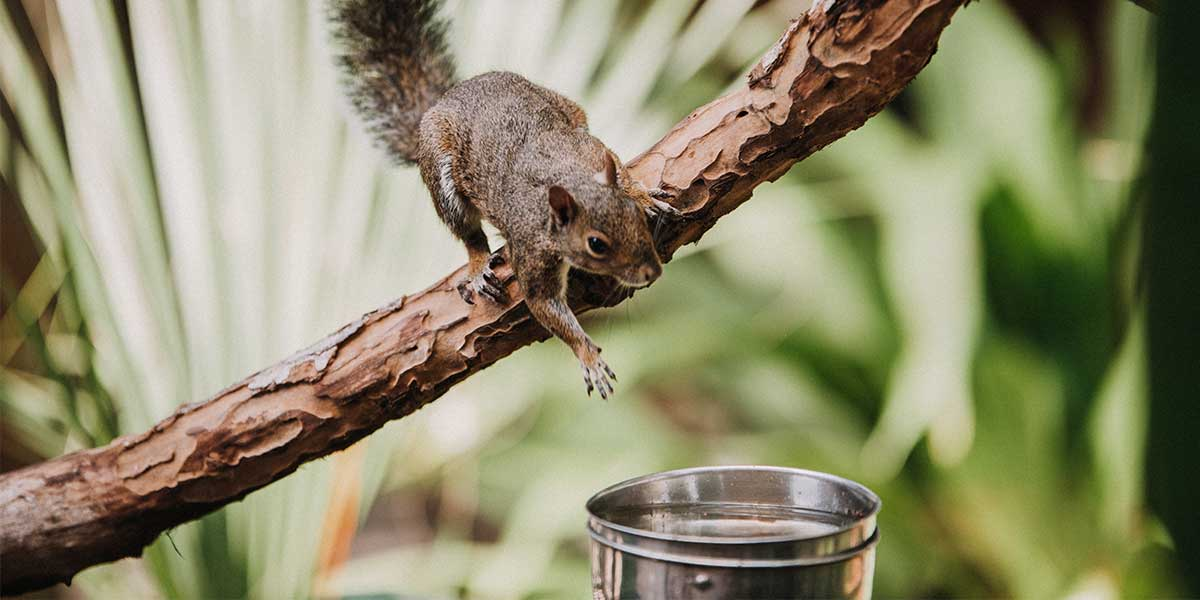
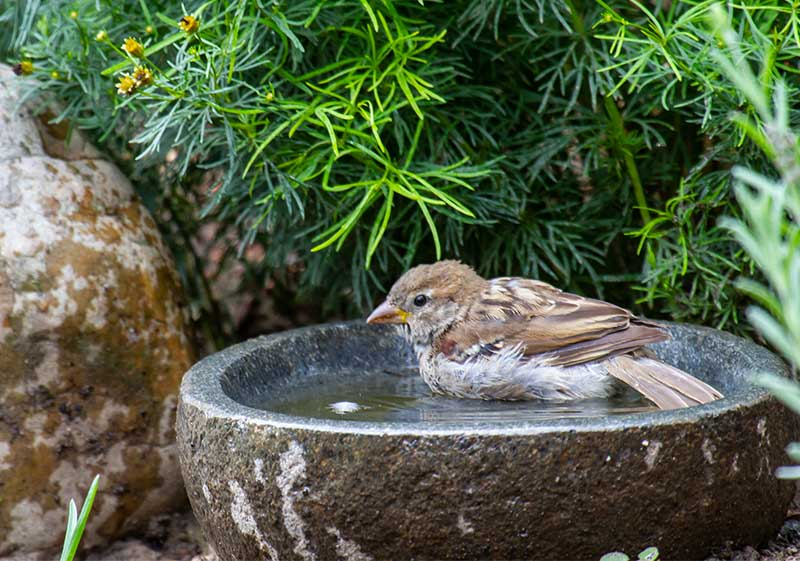
Especially during summer heat or drought, shallow bowls of clean water help birds, squirrels, pollinators, and community cats survive extreme conditions. Adding stones or marbles gives insects a place to land safely. It doesn’t need to be fancy. It just needs to be refreshed regularly.
Let part of your yard stay a little wild
Leaving fallen leaves, plant stems, and seed heads through winter provides shelter for insects, butterflies, and native bees. Even one small, undisturbed area helps create habitat.
Turn Off Unnecessary Outdoor Lights at Night
Artificial lighting disrupts nocturnal animals, insects, and migrating birds. Turning lights off when they’re not needed or switching to warm, motion-activated lighting reduces stress on wildlife without impacting safety.
Make windows safer for birds
Window strikes are one of the leading causes of bird deaths. Simple solutions like decals, screens, or UV-patterned window markers can dramatically reduce collisions.
Skip pesticides when possible
Even “natural” or “pet-safe” pesticides can harm pollinators and other animals. Choosing native plants and tolerating a little imperfection in the garden goes a long way.
Leave the Leaves (and the Stems, Too)
Fallen leaves, seed heads, and plant stems are winter housing for insects, butterflies, and pollinators. You don’t have to turn your yard into a nature preserve. Even leaving one corner alone helps.
Keep Cats Indoors
Indoor cats live longer, healthier lives, and wildlife benefits too. If full indoor life isn’t possible, options like catios or supervised outdoor time are meaningful compromises.
Donate the Unsexy Stuff to Shelters
Animal rescues rely on basics more than people realize – paper towels, laundry detergent, trash bags, blankets, cleaning supplies. If you’re already shopping, adding one practical item can quietly make a rescuer’s day easier.
Choose Curiosity Over Disgust
Pausing before killing, panicking, or calling exterminators gives space for better choices. Sometimes coexistence is easier than we think. Curiosity is often the first step toward compassion.
Support TNR (Even if you don’t trap)
Trap–Neuter–Return programs are one of the most effective, humane ways to reduce suffering in community cat populations. You don’t need to trap cats yourself to help. Learning, sharing accurate information, and respecting caretakers and colonies all matter.
Add a bee water dish to your garden
A shallow dish of clean water gives bees and other pollinators a safe place to drink, especially during hot or dry weather. Adding stones, marbles, or pebbles allows insects to land without drowning. It’s one of the simplest ways to help pollinators and can be refreshed easily as part of your regular routine.
Give Bees Space to Live with a Bee Hotel
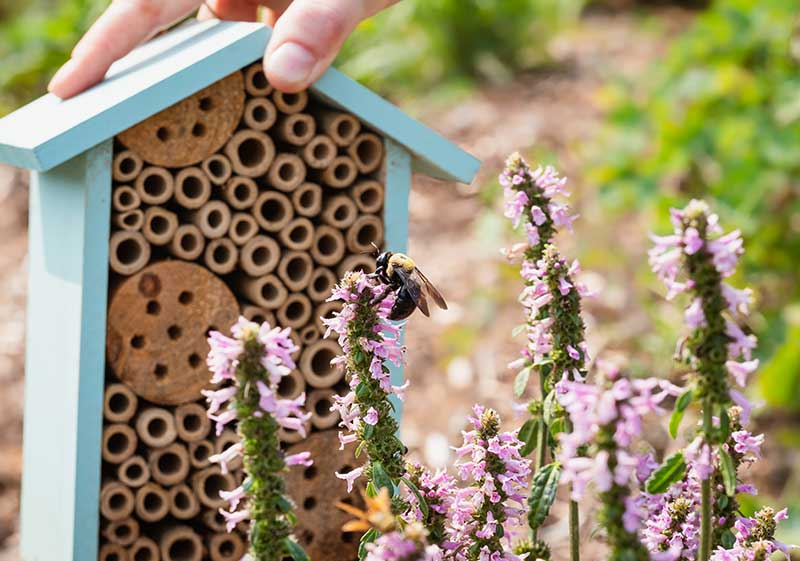
Bee hotels provide nesting spaces for certain species of solitary native bees that nest in hollow stems or small cavities. When placed correctly and maintained properly, they can support local pollinators, especially in areas with limited natural nesting sites. Bee hotels work best when paired with native plants and should be cleaned or replaced regularly to prevent disease.
Plant Host Plants
Host plants are plants that insects need to complete their life cycle, not just feed from as adults. Monarchs rely on milkweed, swallowtails use parsley and dill, and many moths depend on native trees and shrubs. Planting host plants allows butterflies and moths to lay eggs and ensures their caterpillars have food to survive.
Plant a native garden
Native plants are adapted to local climates and provide food and shelter that wildlife depends on. Even a small native garden supports pollinators, birds, and insects far more effectively than ornamental plants. Native gardens also require less water, fertilizer, and maintenance once established, making them a practical and impactful choice.
You don’t have to do everything. You don’t have to do the most. You don’t have to earn your compassion through burnout.
Kindness doesn’t need perfection. It just needs consistency.
Little acts, repeated over time, change things – for animals, for ecosystems, and honestly, for us too.